Modern construction is no longer focused only on structural integrity and appearance. Today, residential building performance is equally important. Homeowners, developers and builders increasingly expect homes to deliver better energy efficiency, improved indoor comfort, reduced noise and lower long-term operating costs.
As a result, window systems have become one of the most important components in modern residential construction.
While windows were once viewed mainly as architectural features for light and ventilation, they are now recognised as critical elements influencing thermal performance, acoustic insulation, airtightness and sustainability.
Why Window Systems Matter More Than Ever
In many residential buildings, windows are one of the largest areas exposed to external environmental conditions. Poorly performing glazing systems can significantly affect indoor temperatures, energy consumption and occupant comfort.
Heat gain during summer and heat loss during winter often occur through outdated or inefficient window systems. In urban environments, windows may also become the primary pathway for external noise transmission.
Modern construction standards increasingly emphasise:
- Energy efficiency
- Thermal insulation
- Acoustic comfort
- Airtightness
- Sustainable building design
- Reduced operational costs
Window systems directly contribute to all of these factors.
Thermal Performance and Energy Efficiency
One of the main functions of modern glazing systems is improving thermal efficiency.
Traditional single-glazed windows typically provide limited insulation. In contrast, double glazed systems use multiple panes of glass separated by an insulating gap that helps reduce heat transfer between indoor and outdoor environments.
This contributes to more stable internal temperatures and reduces dependence on heating and cooling systems throughout the year.
For residential projects in Australia, especially in high-temperature regions such as Sydney, thermal performance has become a major consideration in both new construction and renovation projects.
Builders and homeowners increasingly invest in solutions such as double glazed windows Sydney from Prestige Plus to improve comfort, reduce energy consumption and support long-term building performance.
Acoustic Comfort in Urban Construction
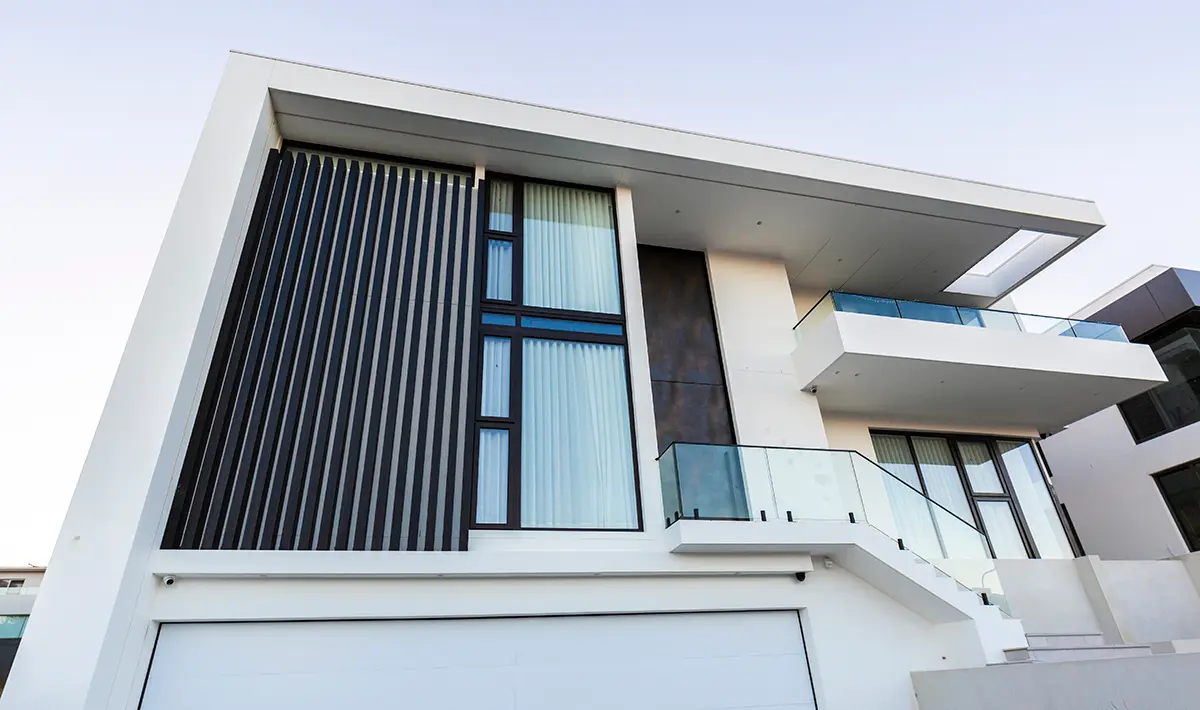
Urban density continues to increase across many Australian cities. Residential developments are often located near major roads, transport infrastructure, schools and commercial areas.
As a result, acoustic comfort is becoming a growing priority in residential engineering and design.
Noise pollution may affect sleep quality, concentration and general wellbeing. Poorly insulated window systems can allow significant external sound transmission into living spaces.
Modern double glazing and properly sealed window systems can substantially reduce external noise penetration compared with older single-pane designs.
This is particularly important for:
- High-density residential developments
- Townhouses
- Apartment projects
- Homes near transport corridors
- Mixed-use developments
Acoustic performance is now considered an important aspect of occupant satisfaction and overall building quality.
Airtightness and Building Envelope Performance
Airtightness plays a major role in modern building efficiency. Gaps around poorly fitted windows may lead to uncontrolled air leakage, drafts and energy loss.
Well-designed window systems improve the overall performance of the building envelope by helping maintain controlled indoor conditions.
Benefits of improved airtightness include:
- Better thermal stability
- Reduced HVAC load
- Improved occupant comfort
- Lower energy costs
- Reduced moisture intrusion
As construction standards continue evolving, airtightness is becoming increasingly important in residential engineering practices.
Material Selection in Modern Window Systems
Window frame materials also influence long-term building performance.
Traditional timber systems may require ongoing maintenance, while standard aluminium frames can conduct heat more easily without thermal breaks.
Modern uPVC systems have gained popularity due to their combination of thermal efficiency, weather resistance and low maintenance requirements.
In residential applications, uPVC frames are commonly selected because they:
- Resist corrosion and moisture exposure
- Require minimal maintenance
- Support improved thermal insulation
- Maintain dimensional stability
- Provide strong sealing performance
These characteristics make them suitable for a wide range of Australian residential environments.
Sustainability and Long-Term Building Value
Sustainable construction is no longer limited to commercial developments. Residential projects increasingly prioritise energy-efficient design and lower environmental impact.
Efficient window systems contribute to sustainability goals by helping reduce energy demand over the lifespan of the building.
Lower heating and cooling requirements may also reduce operational expenses for homeowners while improving overall property value.
As energy regulations and homeowner expectations continue to evolve, high-performance window systems are becoming standard components of modern residential construction rather than optional upgrades.
Conclusion
Modern window systems play a far greater role than simply providing natural light and ventilation. They contribute directly to thermal performance, acoustic comfort, airtightness and sustainability.
As residential construction standards continue advancing, properly designed glazing systems are becoming essential elements of high-performing buildings.
For engineers, builders and homeowners alike, investing in efficient window technology is increasingly recognised as a practical step toward creating more comfortable, durable and energy-efficient residential environments.